
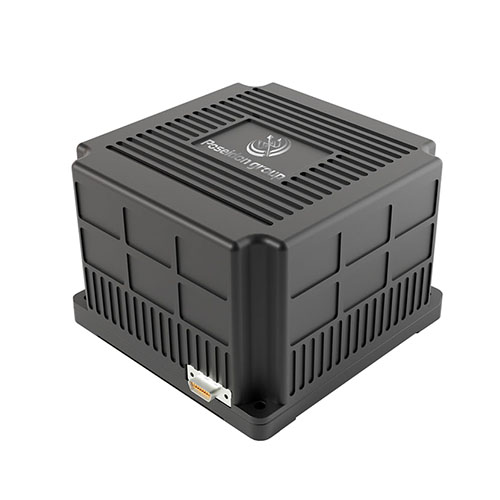
 TBSD60
 BSD120
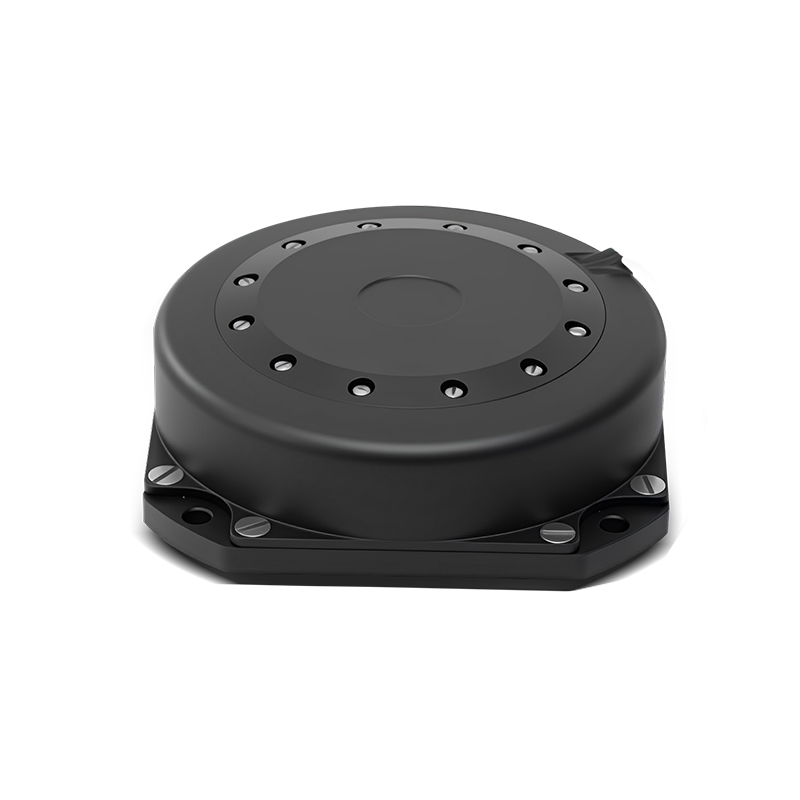 BSD98
BSD98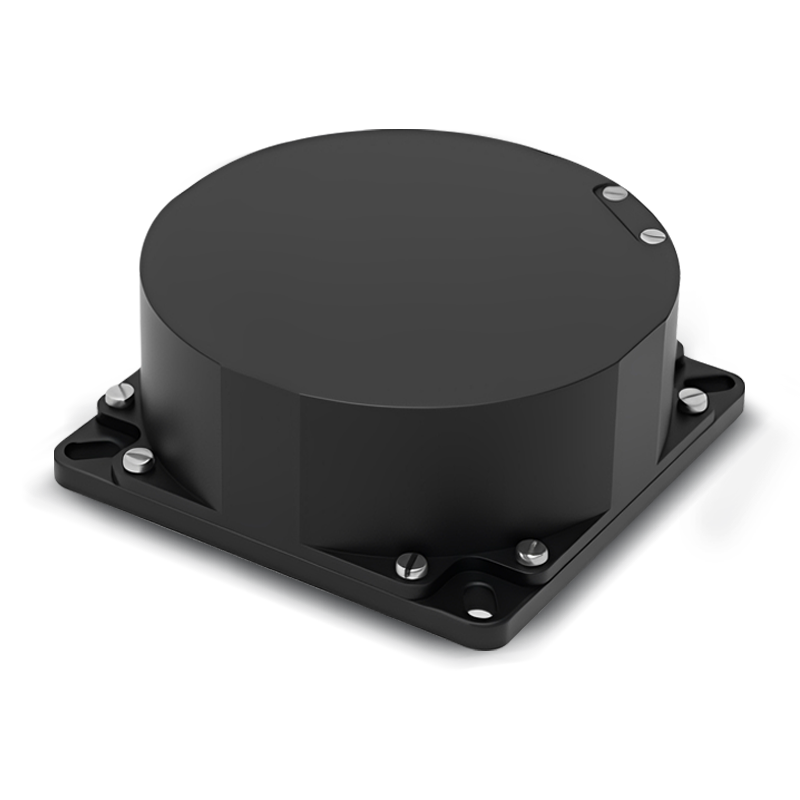 BSD70
BSD70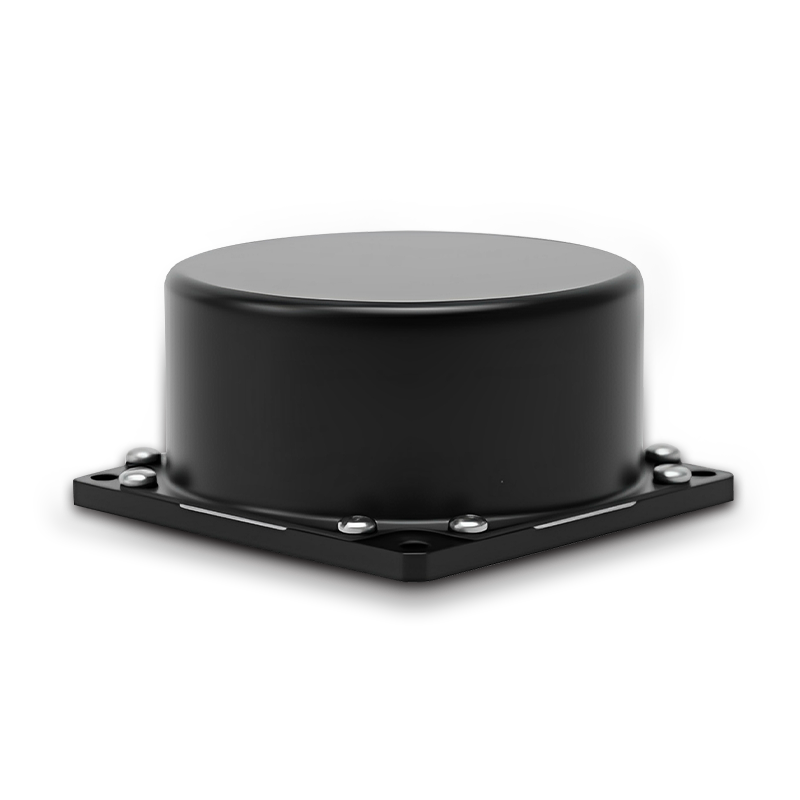 BSD60
BSD60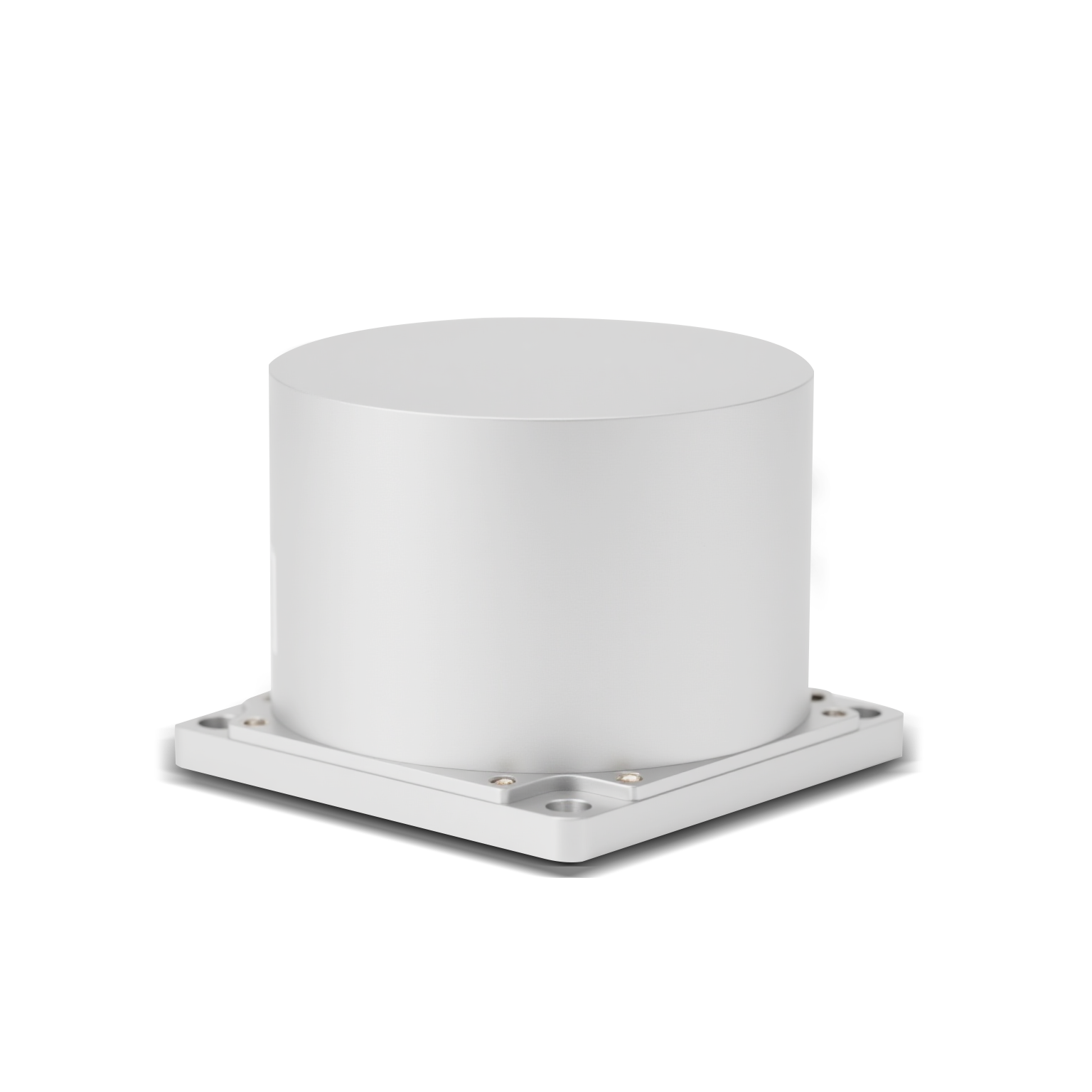 BSD50
BSD50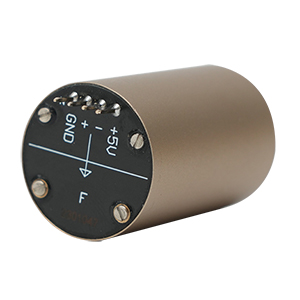 BSD217
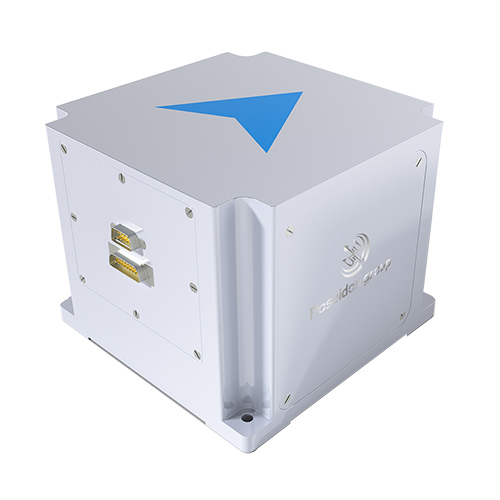 INS1700
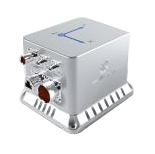 INS970
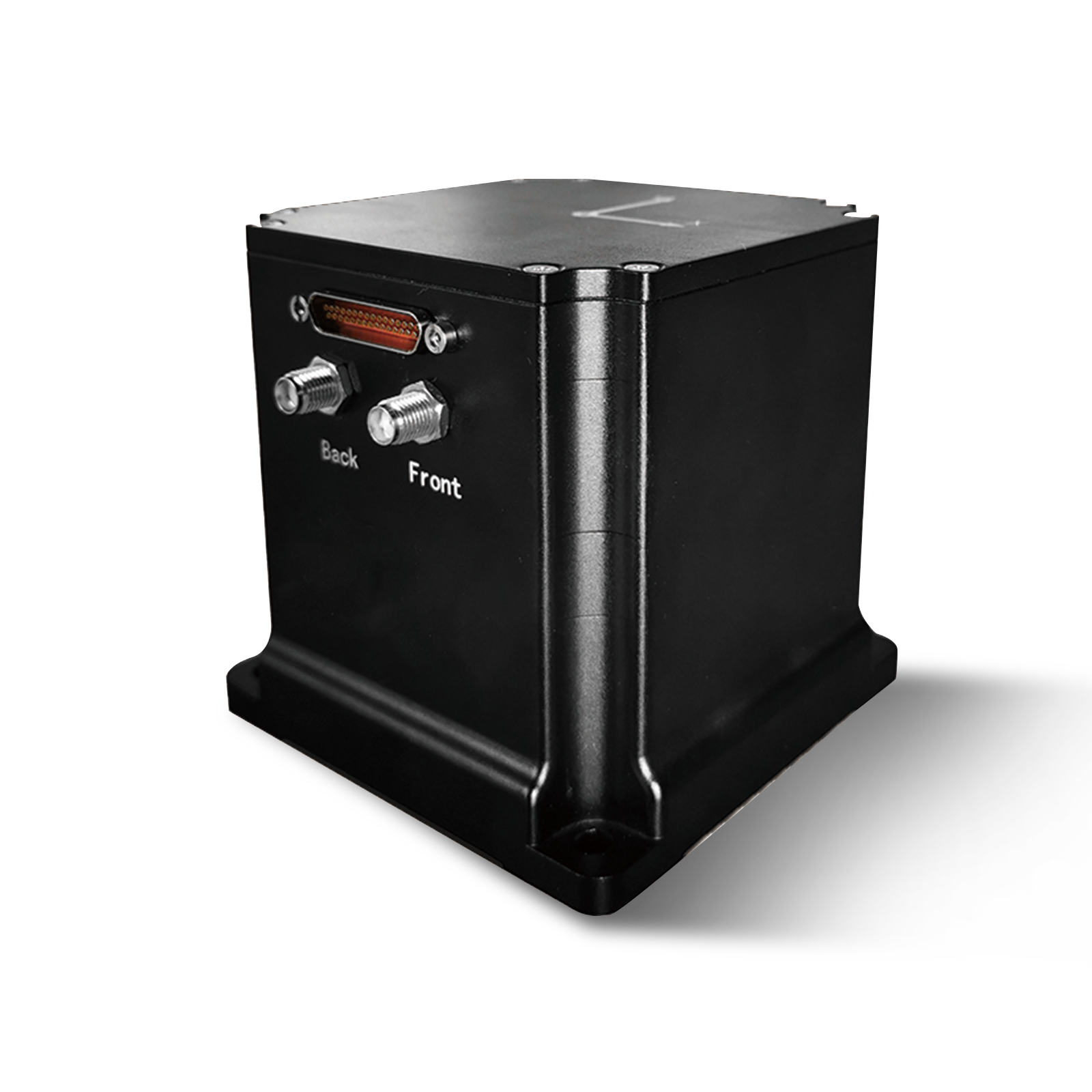 INS570
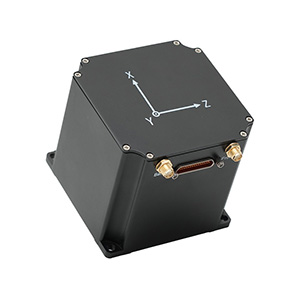 INS170
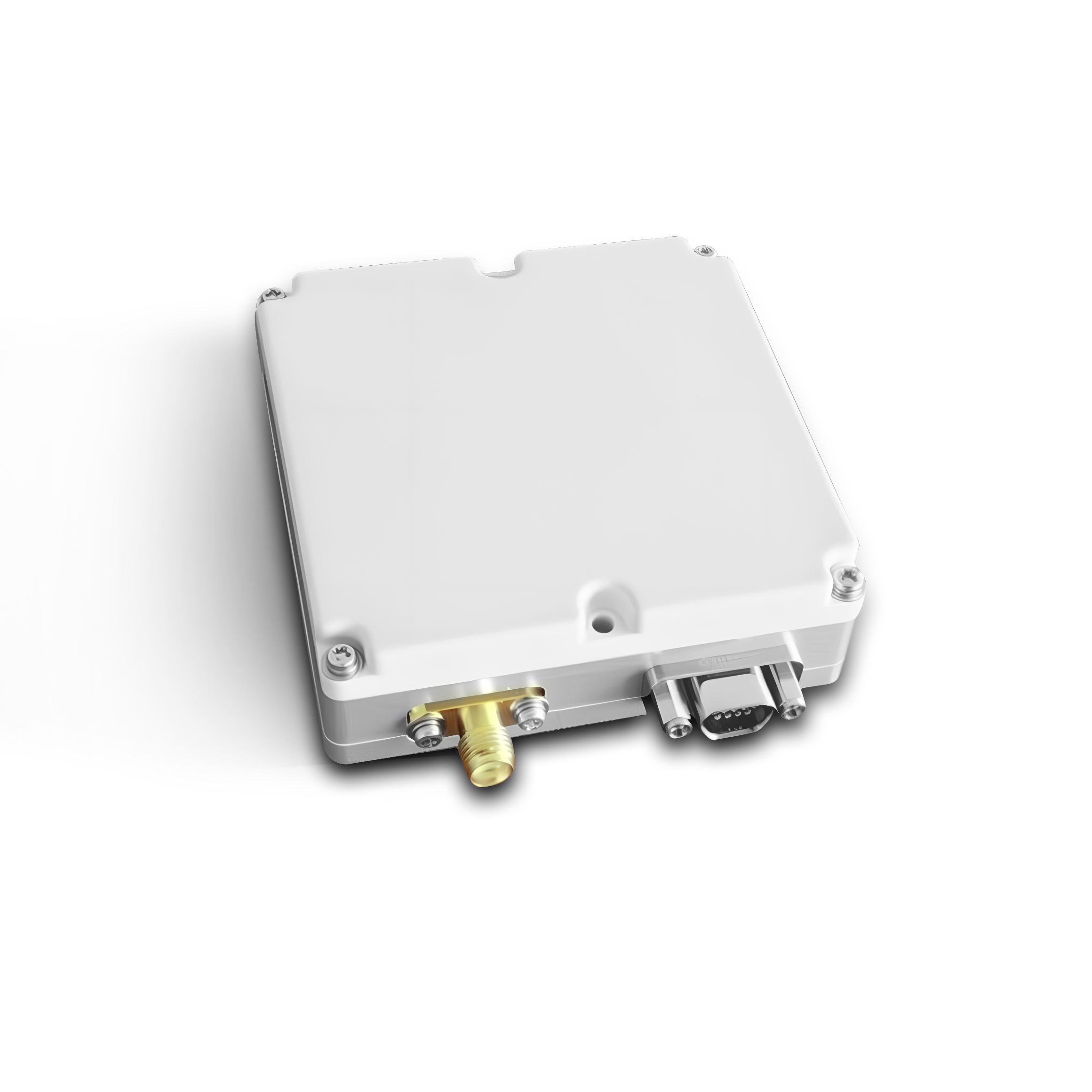 SLA-4B1L1-65
 SLA-8B1L1-110
 SLA-4B1L1-130
 SLA-16B1L1-160
 SLA-8B1L1-165
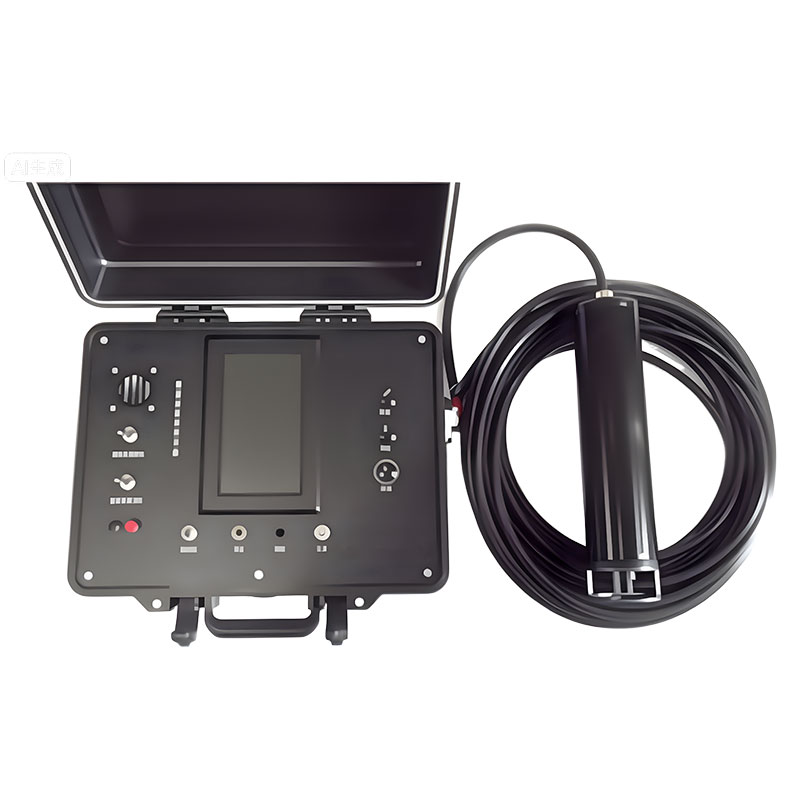 101 Vessel-mounted Positioning
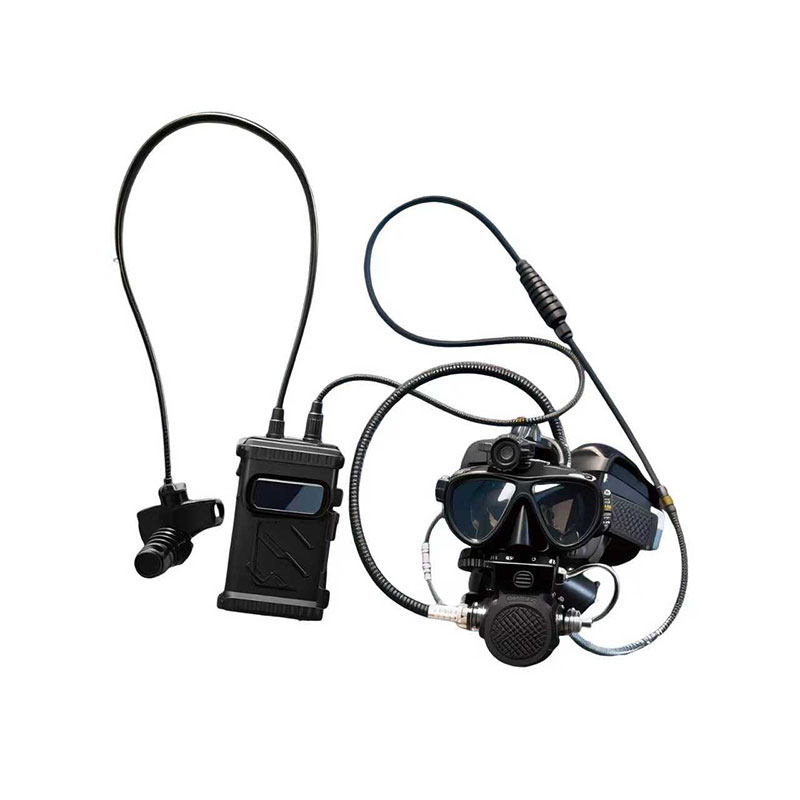 102 Acoustic Communication
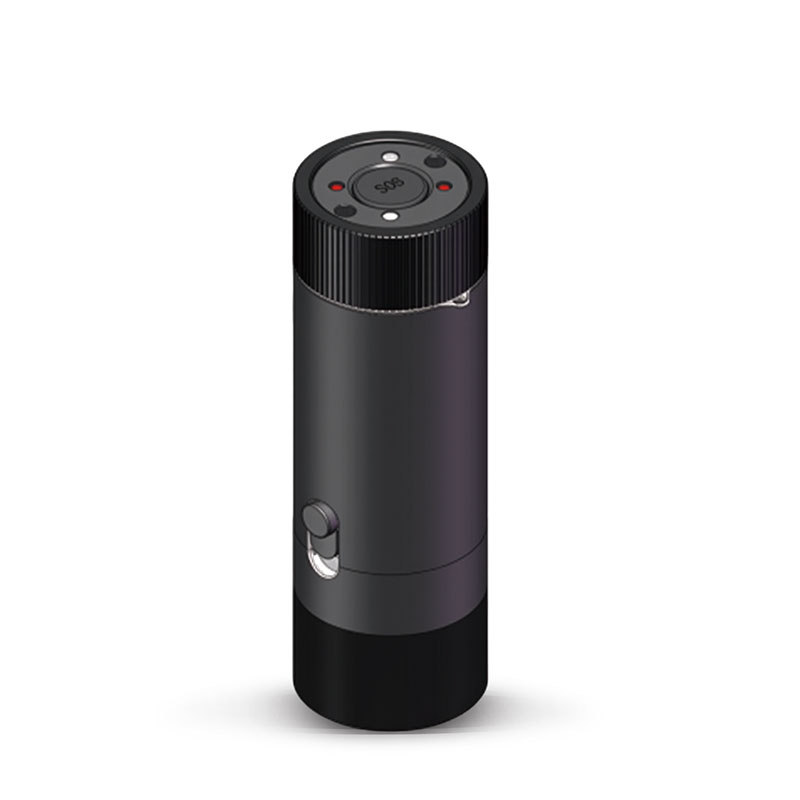 103 Tracking and Locating
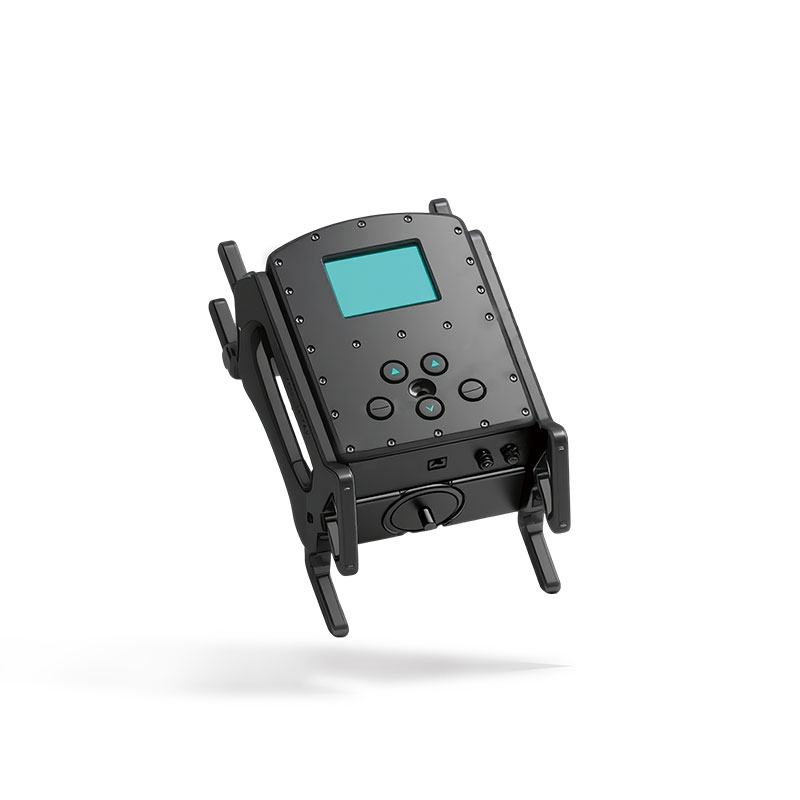 104 Diver Navigation System
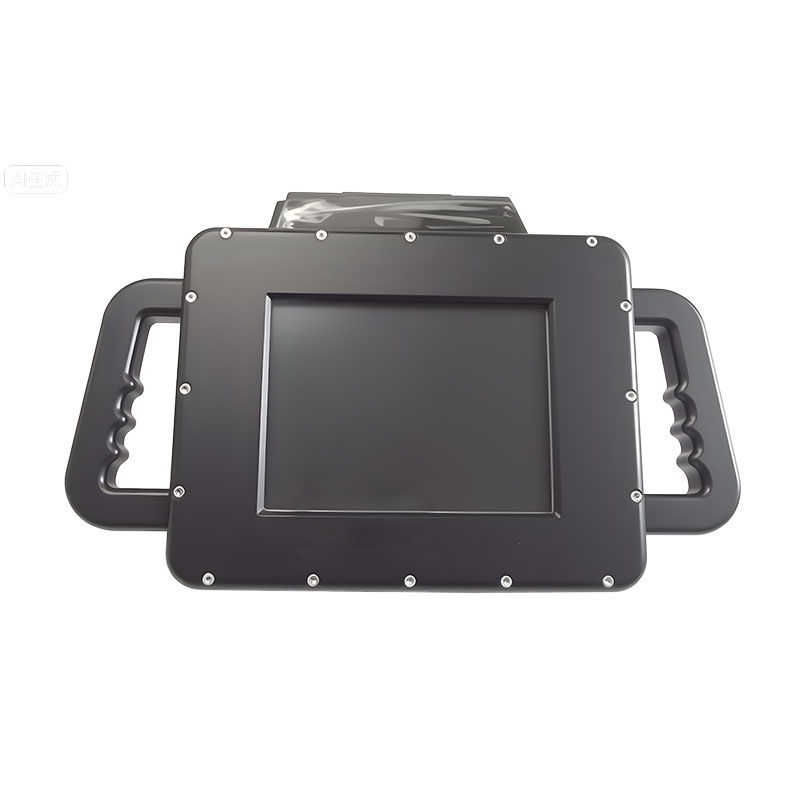 105 Intrusion Detection Sonar
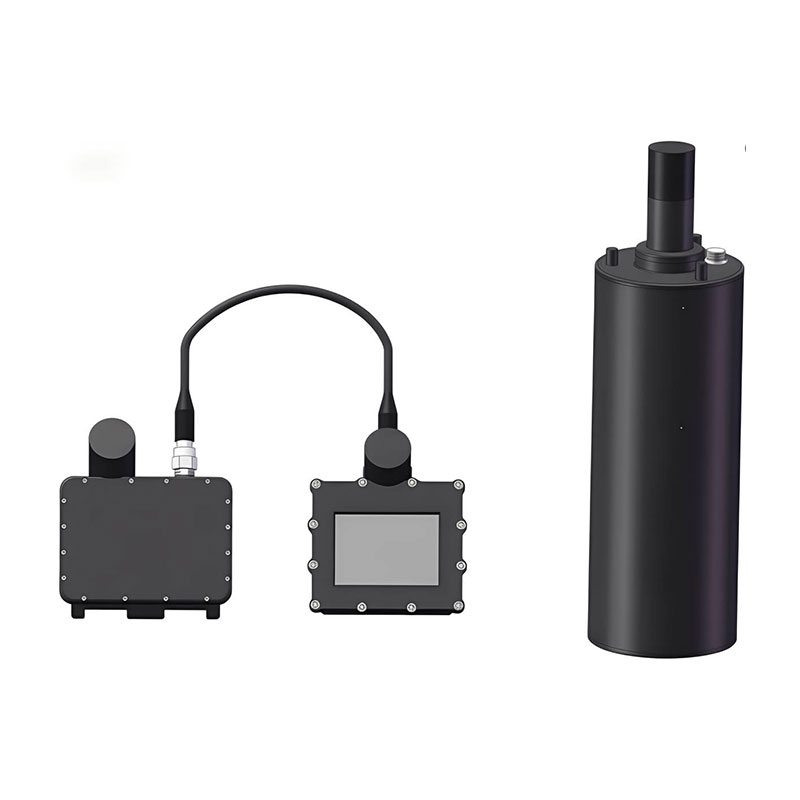 106 Delivery Locator Beacon
 SLLR3000
 SLLR905
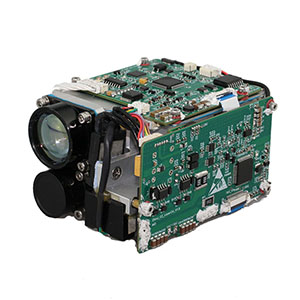 SLLD25
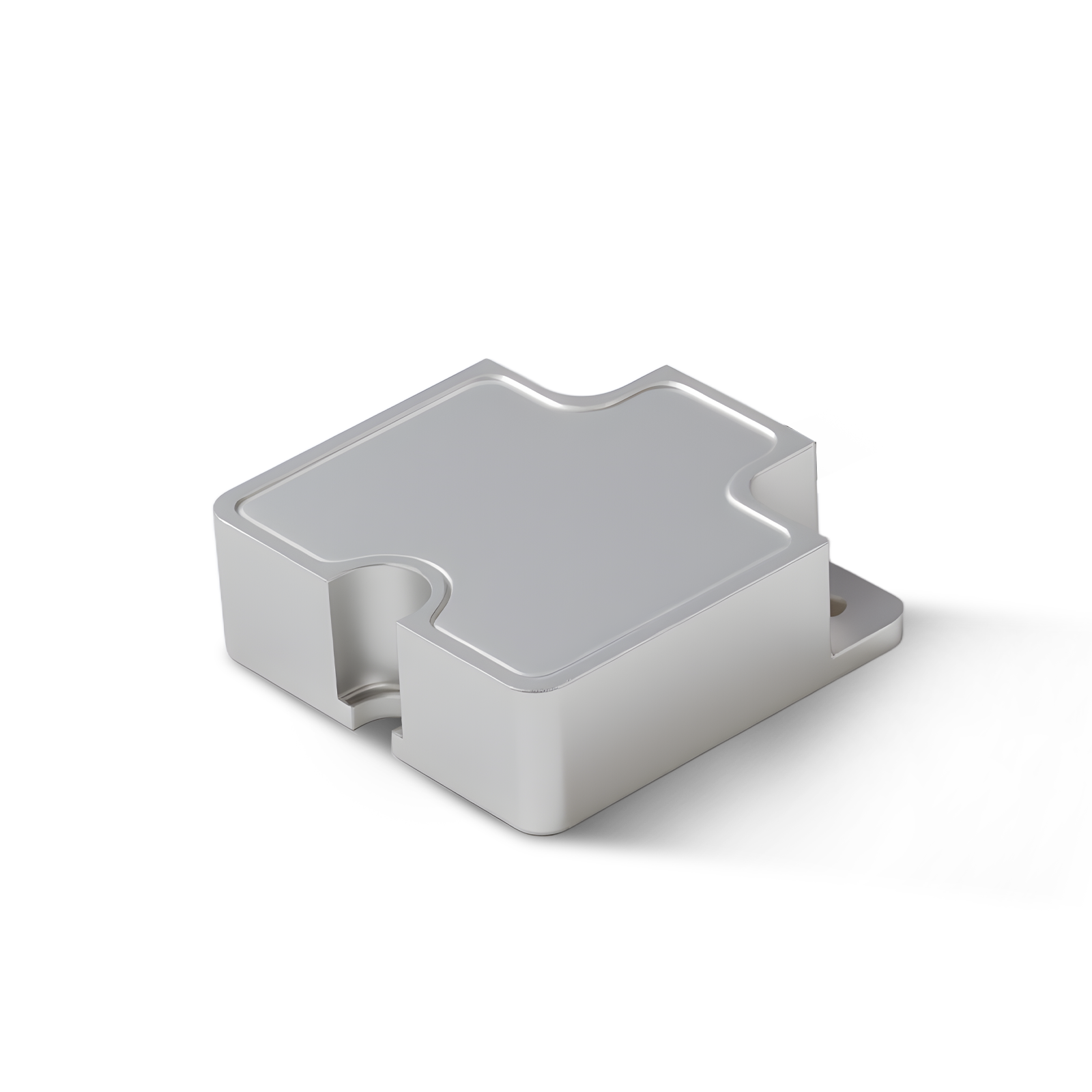 108IMU
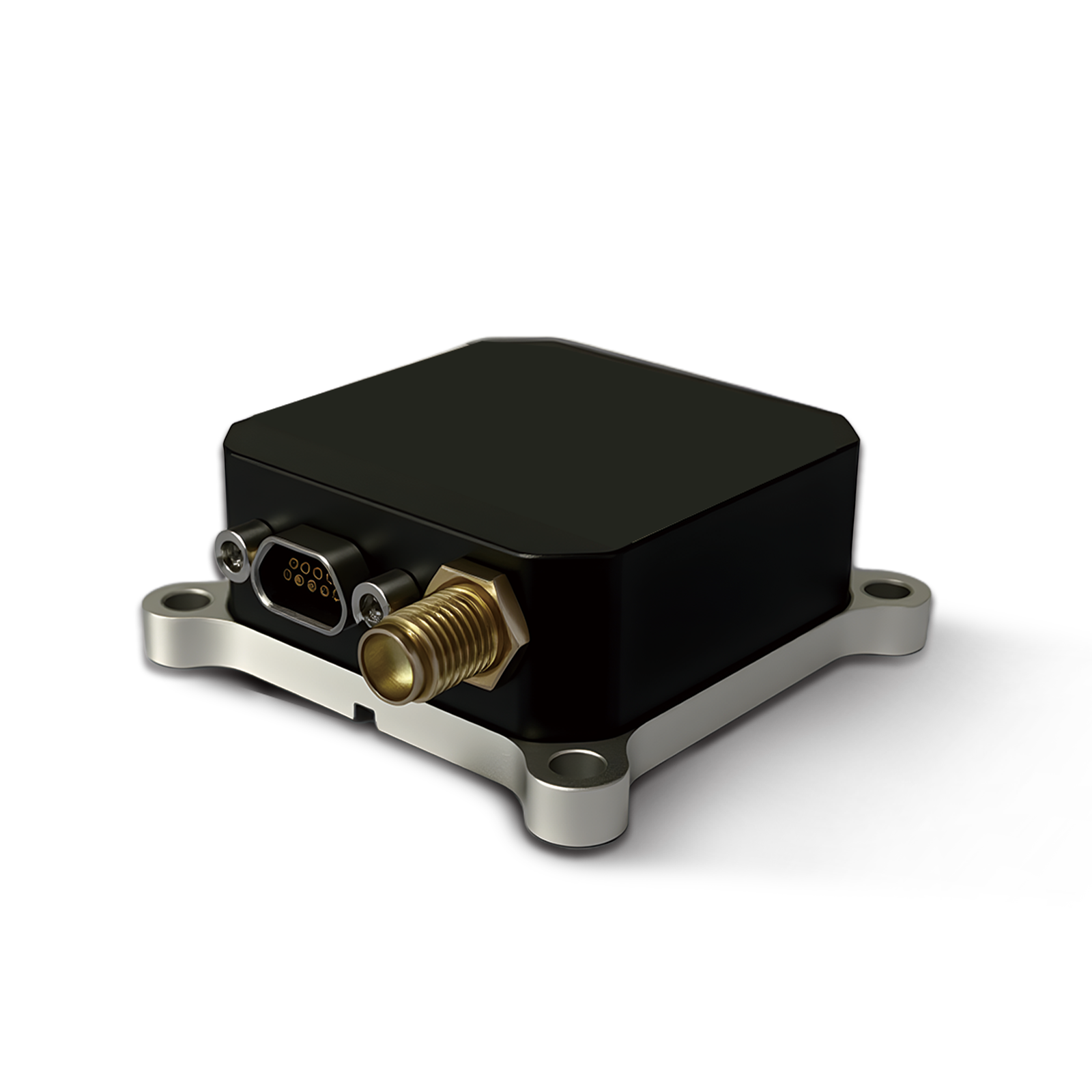 150M
150M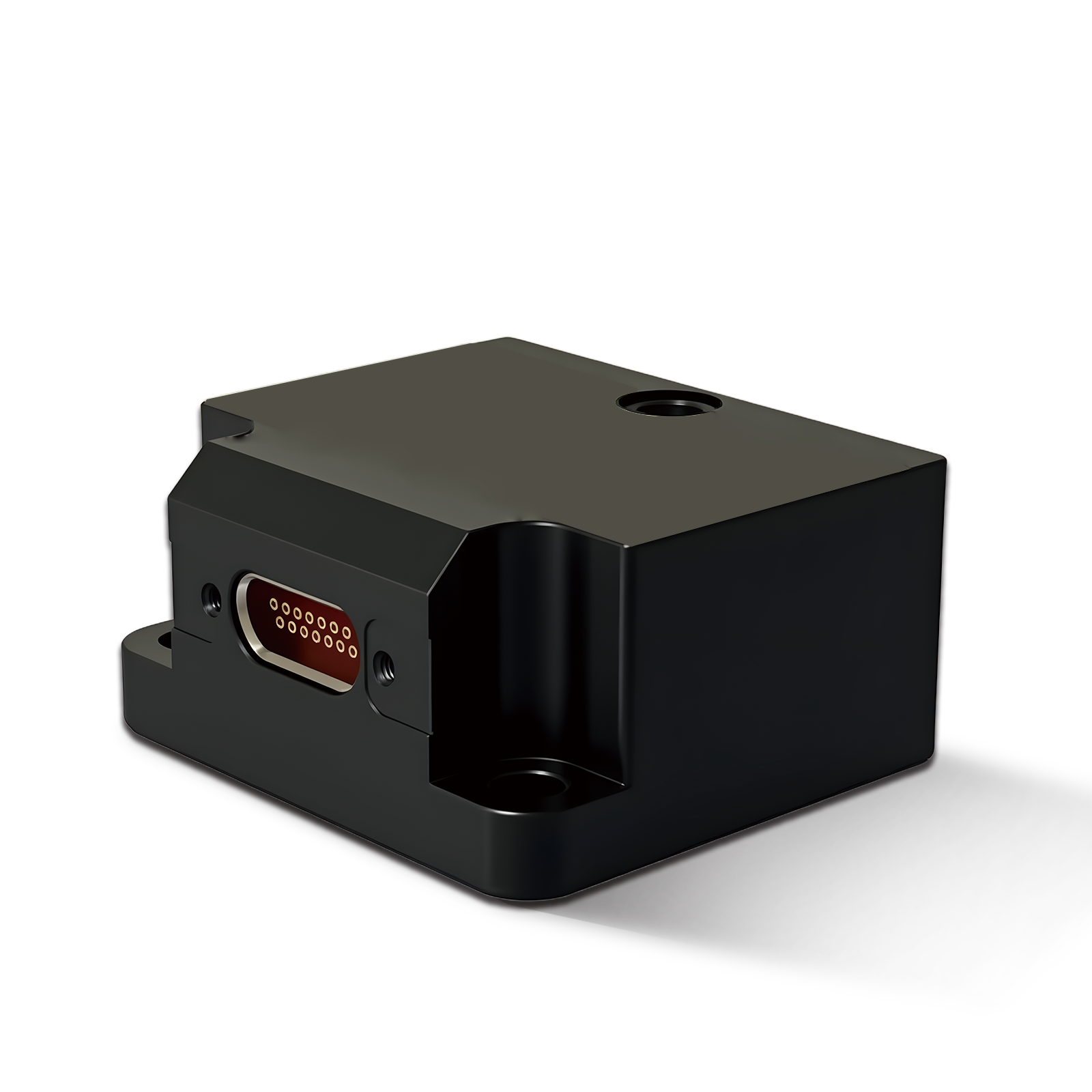 500MH
500MH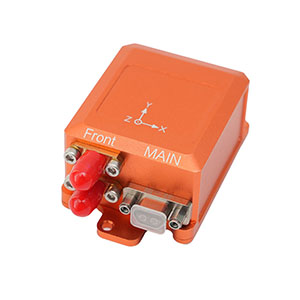 160M
160M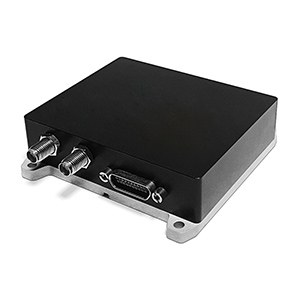 170M
170M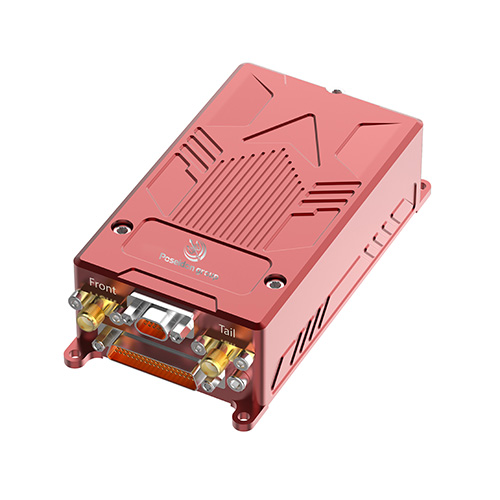 SLFC-70
 SLAF280
 MR360
MR360





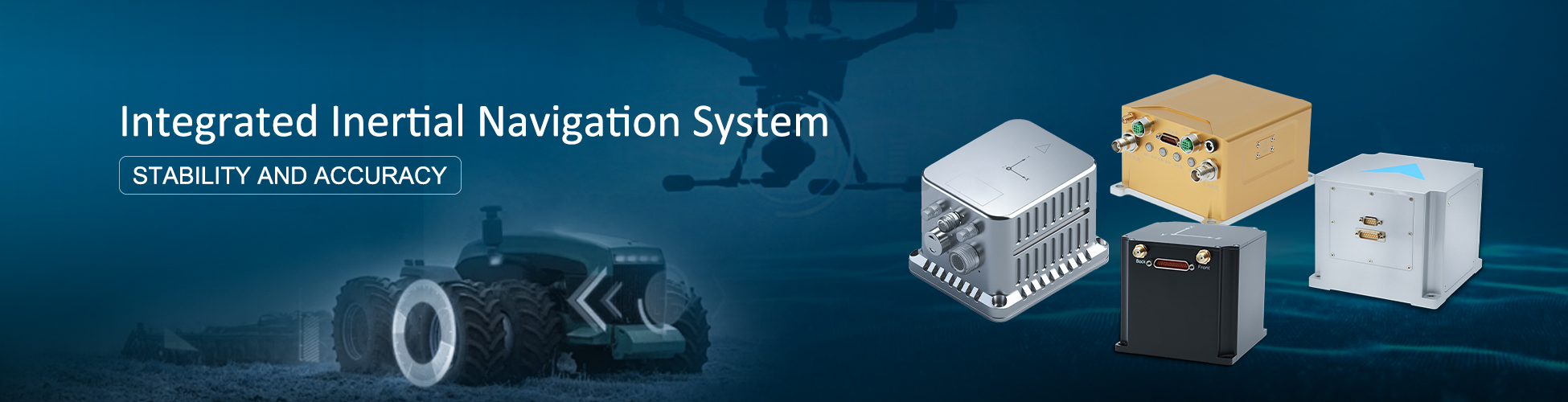
How Top Buyers Evaluate Inertial Navigation System Stability and Accuracy
Are you confident that your navigation system will stay accurate when GPS becomes unreliable—or even completely unavailable? If your projects involve autonomous vehicles, offshore missions, military platforms, or inspection robots, then stability and precision are not optional. You need results you can trust. That is why experienced buyers evaluate every system carefully before making a decision.
In high-stakes operations, even a slight navigation error can lead to costly delays, safety risks, or mission failure. To avoid this, top buyers look for systems that offer more than standard positioning — they expect dependable performance in real-world conditions.
What Defines a Reliable Inertial Navigation System?
A professional Inertial Navigation System (INS) must deliver consistent accuracy, even when satellite signals weaken or disappear. Buyers look at three main factors:
Accuracy over time
Resistance to signal loss
System integration capabilities
Military-Grade Laser Rangefinder Modules often work alongside INS technology in mission-critical platforms. Both require precise data and real-time output. For this reason, procurement teams often evaluate INS performance using similar standards applied to Military-Grade Laser Rangefinder Modules to ensure reliability under stress.
Stability Matters More Than Raw Specs
Many products advertise technical specifications, but experienced buyers know that real performance is proven in unstable environments. A stable INS must reduce drift, maintain heading, and continue operating even when external conditions are unpredictable.
This is why buyers test long-duration performance and examine how the system handles vibration, motion changes, and GPS interruptions. Just like Military-Grade Laser Rangefinder Modules, the INS must provide dependable results without the need for constant recalibration.
In applications such as unmanned inspection vehicles and offshore operations, an INS cannot rely on GPS alone. When evaluating options, buyers ask:
Can the system maintain accurate positioning over long periods without satellite help?
Does it provide real-time data — heading, speed, angular rate — with minimal drift?
Can it work smoothly with other sensors?
This is where advanced products stand out. The best systems combine multiple technologies just like Military-Grade Laser Rangefinder Modules: fiber optic gyroscopes (FOG), MEMS accelerometers, and satellite navigation signals. When integrated correctly, these elements create a solid navigation core that improves decision-making and prevents costly downtime.
Beyond Precision: Integration and Deployment
For many buyers, an INS is only valuable if it fits seamlessly into existing platforms. Smooth integration reduces deployment time and lowers engineering costs. The system should support external sensors such as DVL, USBL, or odometers without complex wiring or software changes.
Some of the most successful deployments include autonomous vehicles used for inspection and maintenance. When an INS works together with AI and external sensors, it reduces manual intervention and helps detect issues early — protecting both time and operational safety.
Why Poseidon Group Is Trusted by Top Buyers
Poseidon Group provides advanced Inertial Navigation Systems designed for real-world missions. Our INS1700 High-Precision Integrated Navigation System combines fiber optic gyroscopes and MEMS accelerometers with GPS, BDS, GLONASS, and Galileo satellite navigation.
It delivers real-time data — heading, attitude, speed, velocity, position, angular rate, and acceleration — with excellent stability, even when GPS is unavailable.
With compact design, low power consumption, and support for external sensors, Poseidon Group helps you shorten integration time and improve mission reliability. When you choose us, you are not just buying equipment — you are partnering with a team that provides engineering support, tailored solutions, and long-term stability. Whether your operation is underwater, offshore, airborne, or remote, Poseidon Group ensures trustworthy navigation when it matters most.