Leave Your Message

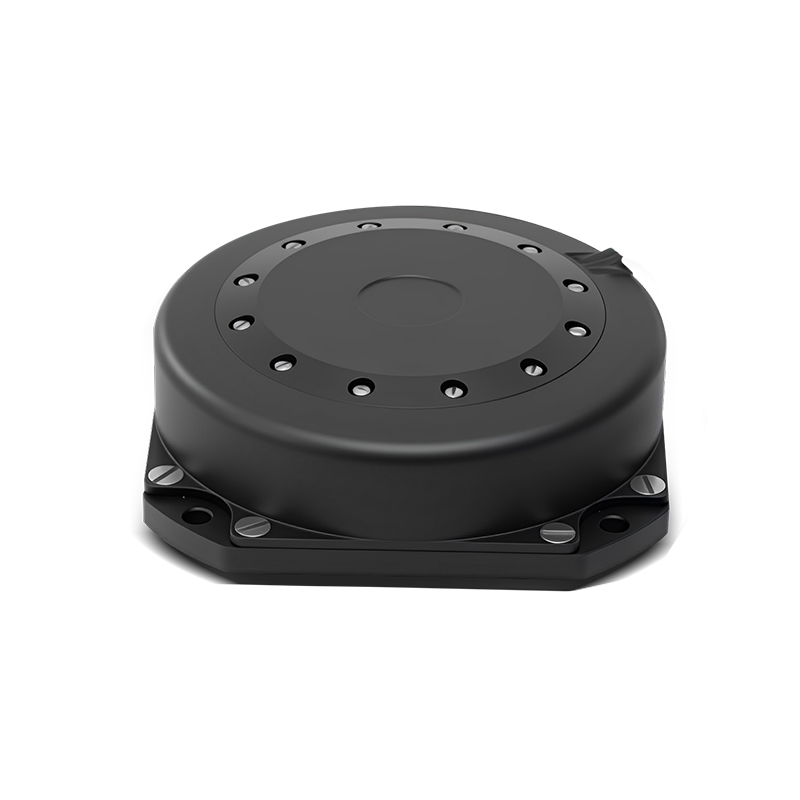
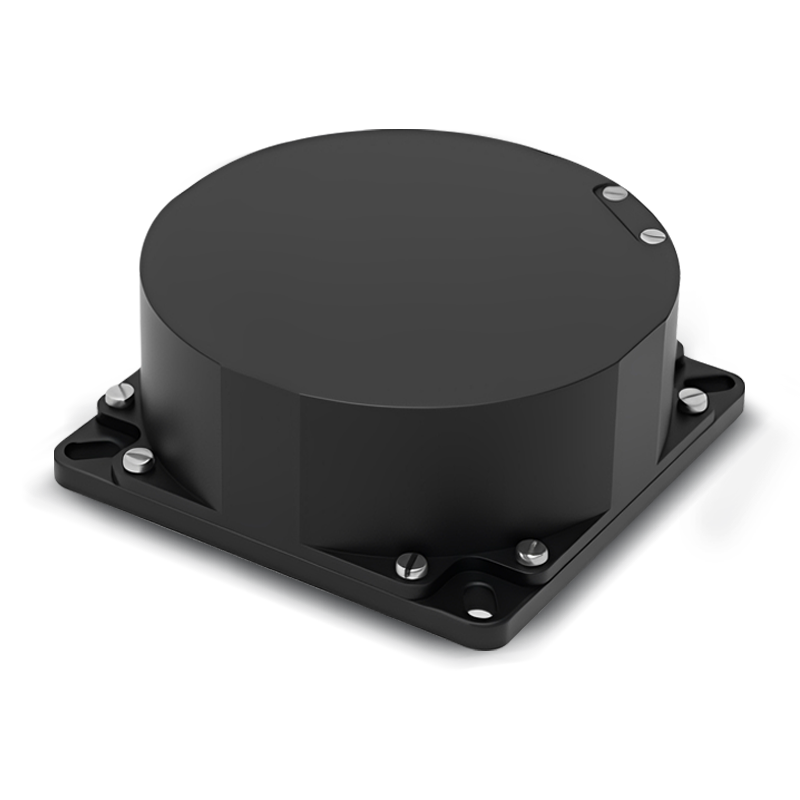
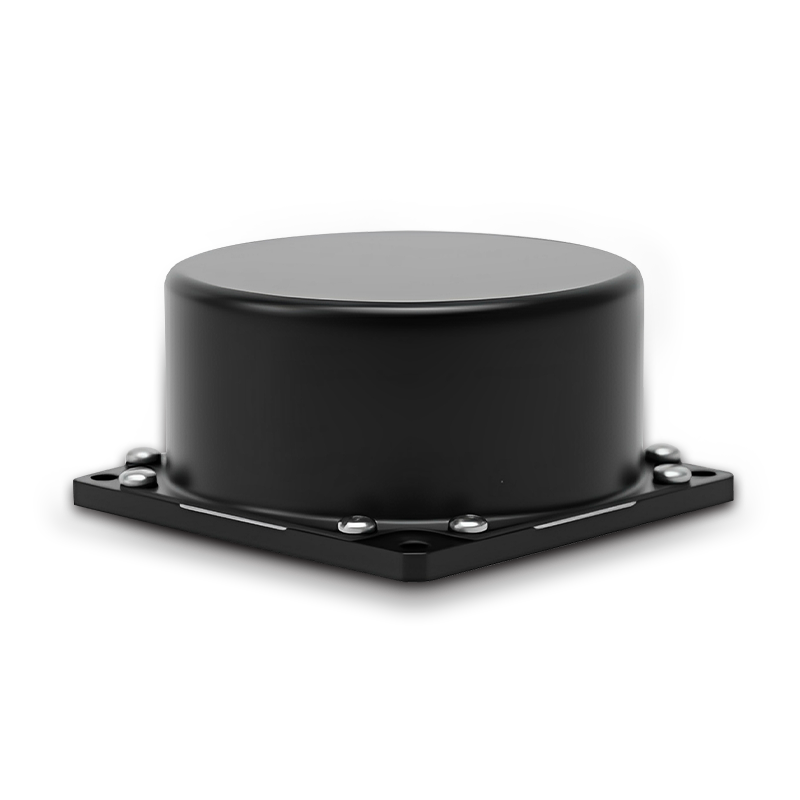
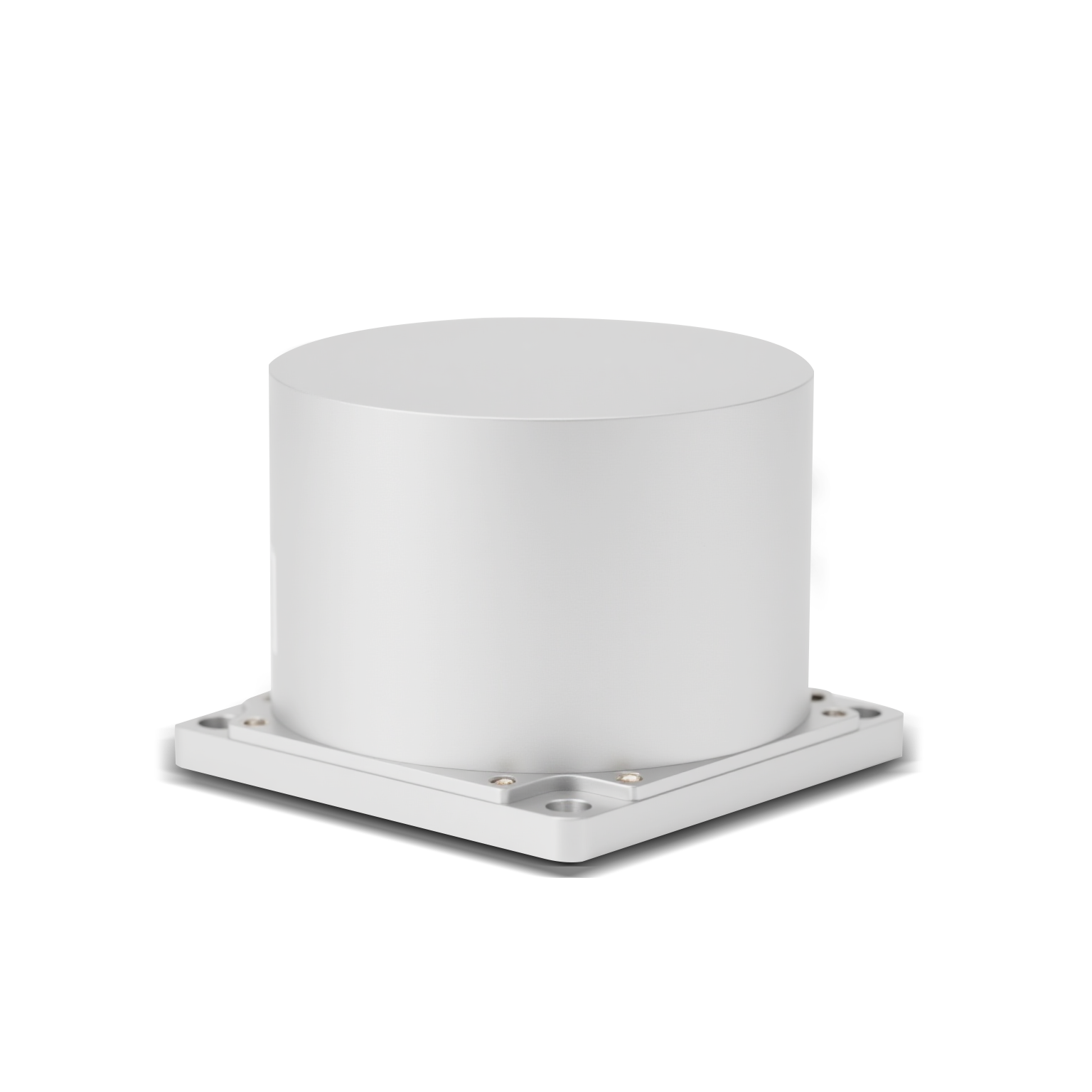
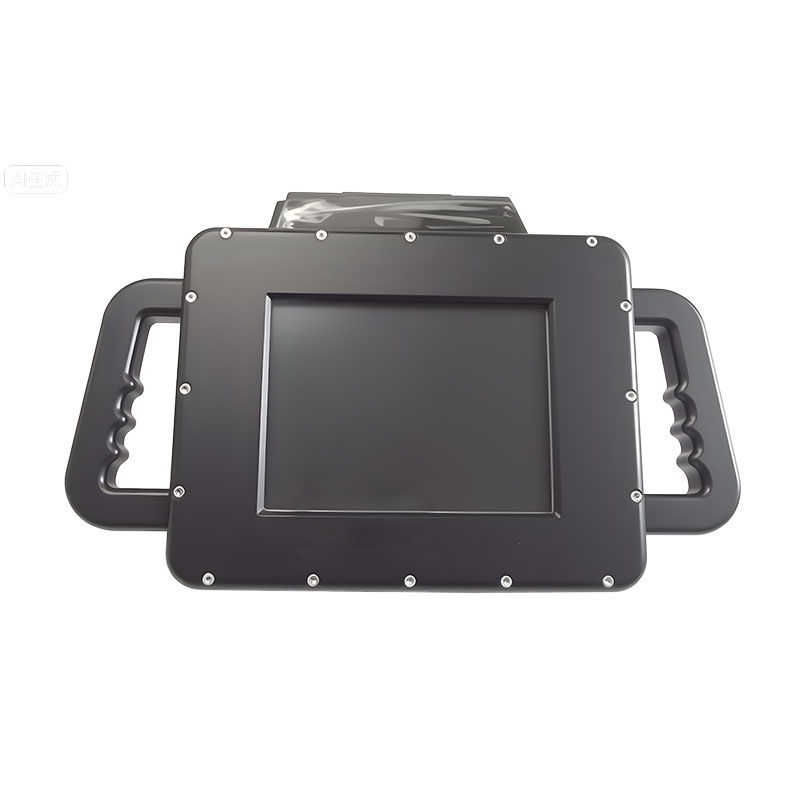
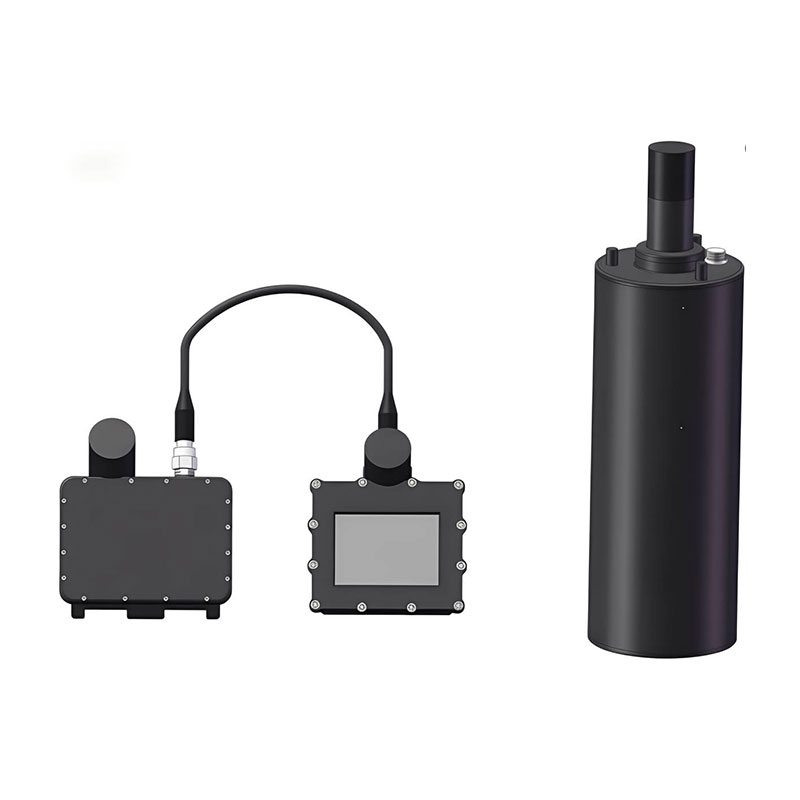
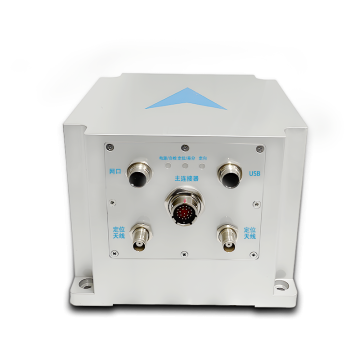
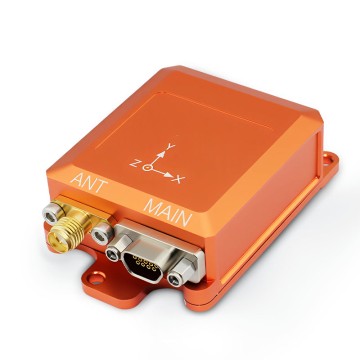
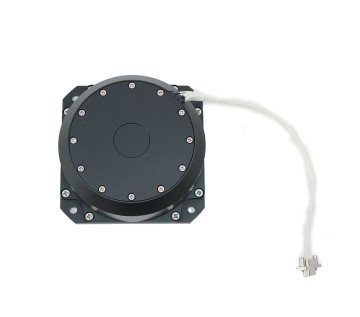
Inertial Navigation System Aviation For Subsea ROVs And Marine Survey

Bridging Aerospace Precision with Deep-Sea Exploration and Autonomous Underwater Operations.

The Paradigm Shift: From Aviation to Subsea Navigation

The integration of Inertial Navigation System (INS) aviation technology into subsea Remotely Operated Vehicles (ROVs) and marine survey operations represents a monumental leap in underwater exploration. Historically, aviation-grade INS was strictly confined to aerospace and military aircraft, where absolute precision in high-dynamic environments was non-negotiable. However, the harsh realities of the subsea environment—characterized by extreme pressure, zero visibility, and the complete absence of Global Navigation Satellite Systems (GNSS/GPS)—have necessitated the adaptation of these aerospace technologies for deep-sea applications.
Today, marine surveyors and offshore engineers rely heavily on aviation-derived Fiber Optic Gyroscopes (FOG) and advanced Micro-Electro-Mechanical Systems (MEMS). These systems provide unparalleled dead-reckoning capabilities, allowing Autonomous Underwater Vehicles (AUVs) and ROVs to maintain pinpoint accuracy over long durations without surfacing for positional fixes. By bridging the gap between the skies and the ocean floor, we are unlocking new potentials in deep-ocean mapping, subsea infrastructure maintenance, and complex marine geological surveys. The transition of this technology not only enhances operational safety but drastically reduces vessel time and survey costs.
Key Insight: Applying aerospace-grade algorithms to hydrodynamic models allows ROVs to compensate for unpredictable deep-sea currents in real-time.

About Poseidon

Poseidon International Group (Hong Kong) Limited — Connecting the World Through High Accuracy Navigation Technology

Based in Hong Kong, we are a global enterprise dedicated to delivering high-quality products and professional services. We have established long-term, stable, and efficient partnerships with numerous suppliers worldwide, ensuring competitive pricing and superior product quality. Guided by the vision of "Connecting the World through Inertial Navigation", we strive to push the boundaries of navigation technology, aiming to become a leading integrated solutions provider with a broad product portfolio and advanced competencies.
Current Commercial & Industrial Status

The commercial landscape for Inertial Navigation System Aviation For Subsea ROVs And Marine Survey is experiencing explosive growth. Driven by the global transition toward renewable energy, the offshore wind sector has become a primary consumer of high-precision marine INS. Installing wind turbine foundations, routing inter-array cables, and conducting pre-lay grapnel runs require centimeter-level accuracy on the seabed. Aviation-grade INS systems coupled with Doppler Velocity Logs (DVL) provide the robust positioning data required for these multi-million-dollar installations.
Furthermore, the traditional offshore Oil & Gas (O&G) industry continues to lean on advanced inertial technology for life-of-field inspections. As shallow-water reserves deplete, O&G operations are moving into ultra-deep waters (exceeding 3,000 meters). In these abyssal zones, acoustic positioning systems like USBL (Ultra-Short Baseline) suffer from signal attenuation, thermocline refraction, and acoustic noise. An aviation-grade INS acts as the primary navigational brain, filtering out acoustic anomalies and ensuring the ROV's manipulator arms can perform delicate valve interventions and pipeline tie-ins with surgical precision. The current industrial consensus is clear: without aerospace-level inertial accuracy, modern deep-water commercial operations would be fundamentally unviable.
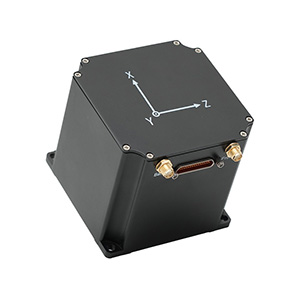
Complex Integration of Subsea INS

Technological Advancements & Core Capabilities

Core component self-development

Core Component Self-Development

Reducing overall production and operational costs by 25% through proprietary engineering.
Proprietary system algorithms

Proprietary System Algorithms

Improving navigation performance and sensor fusion accuracy by 20% in harsh environments.
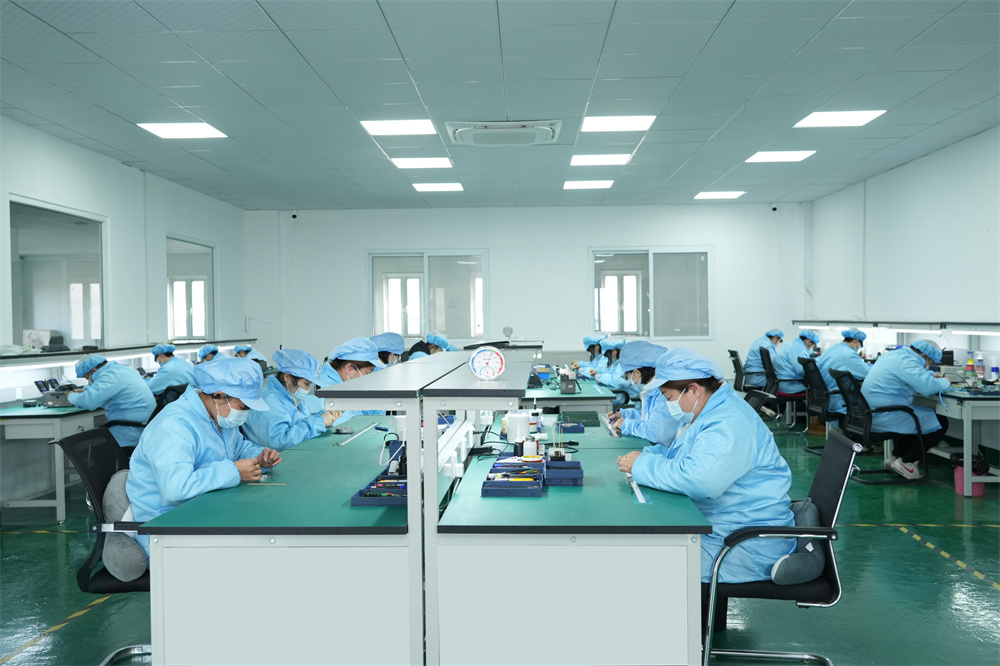
Scalable mass production

Scalable Mass Production

Ensuring stable quality and efficiency across all aerospace and marine product lines.

Comprehensive integration

Comprehensive Integration

Delivering cross-industry solutions from individual components to full complex systems.

Deep Dive: Advanced Application Scenarios in Marine Surveys

Bathymetric Mapping & Hydrographic Surveying

High-resolution multibeam echosounders (MBES) generate massive point clouds of the seafloor. However, the quality of this bathymetric data is entirely dependent on knowing the exact position, heading, pitch, roll, and heave of the survey vessel or AUV. Aviation-adapted INS provides tightly coupled GNSS/INS integration at the surface, and seamlessly transitions to DVL-aided INS underwater. This eliminates "motion artifacts" in the sonar data, ensuring seamless map stitching. It is particularly crucial for mapping exclusive economic zones (EEZ) and identifying navigational hazards in commercial shipping lanes.

Subsea Pipeline and Cable Inspection

Thousands of miles of telecommunication cables and O&G pipelines crisscross the ocean floor. Inspecting these assets requires ROVs to fly autonomously just meters above the structures in highly turbid waters. Utilizing an Inertial Navigation System Aviation For Subsea ROVs, operators can program precise "follow-me" waypoints. The INS detects micro-movements and drift, immediately commanding the ROV thrusters to correct the trajectory. This prevents catastrophic collisions with the infrastructure and ensures continuous, unbroken video and cathodic protection data logging.

Deep-Sea Mining Exploration & Underwater Archaeology

As the world seeks polymetallic nodules for battery production, deep-sea mining exploration is accelerating. Surveying abyssal plains at depths of 4,000 to 6,000 meters requires extreme navigation stability. At these depths, acoustic updates from the mother ship take seconds to travel, creating massive latency. The low-drift characteristics of aviation-grade FOG INS allow the AUV to maintain a strict grid pattern independently. Similarly, in underwater archaeology, mapping historic shipwrecks requires non-intrusive, millimeter-accurate photogrammetry. The INS ensures the camera payloads capture perfectly overlapping images without disturbing the fragile silt surrounding the artifacts.

Our Advantage & Solutions

Poseidon International Limited, Hong Kong strives to provide satisfactory products and services to customers from all walks of life, especially in demanding environments like GPS-denied subsea zones.
All-in-one solutions

Comprehensive Solutions

We provide comprehensive, all-in-one solutions, whether for components, products, systems, or complete project solutions, always ensuring the best value for our clients.

Experienced team

Expert Engineering Team

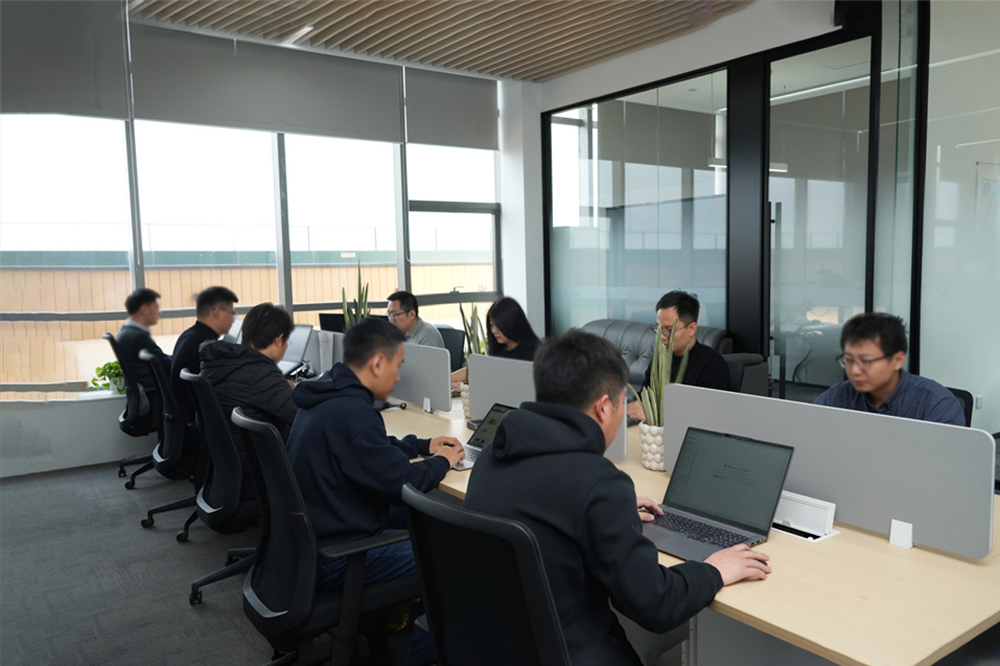
Our experienced team, with deep expertise in international trade and aerospace navigation, is dedicated to crafting cost-effective solutions tailored to customer needs.

Logistics

Global Delivery Network

Additionally, through close partnerships with leading logistics providers, we guarantee timely and secure deliveries worldwide.
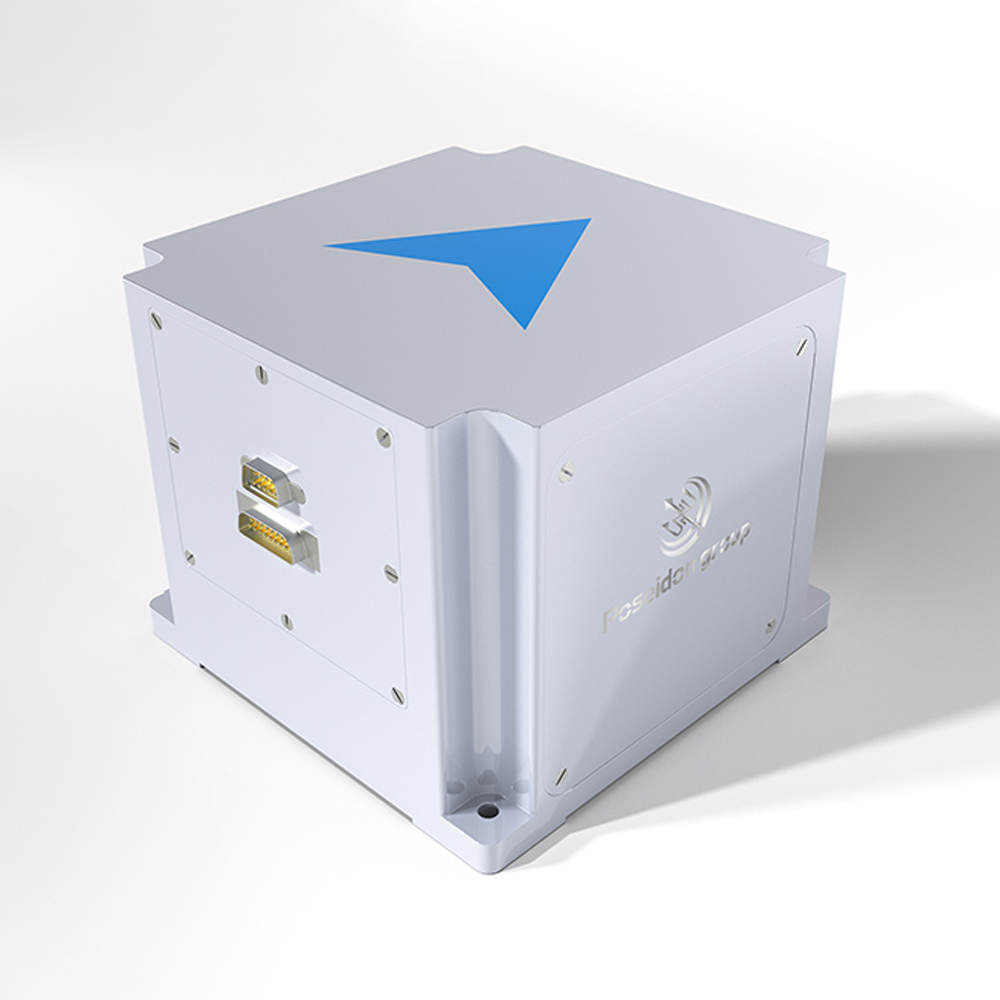

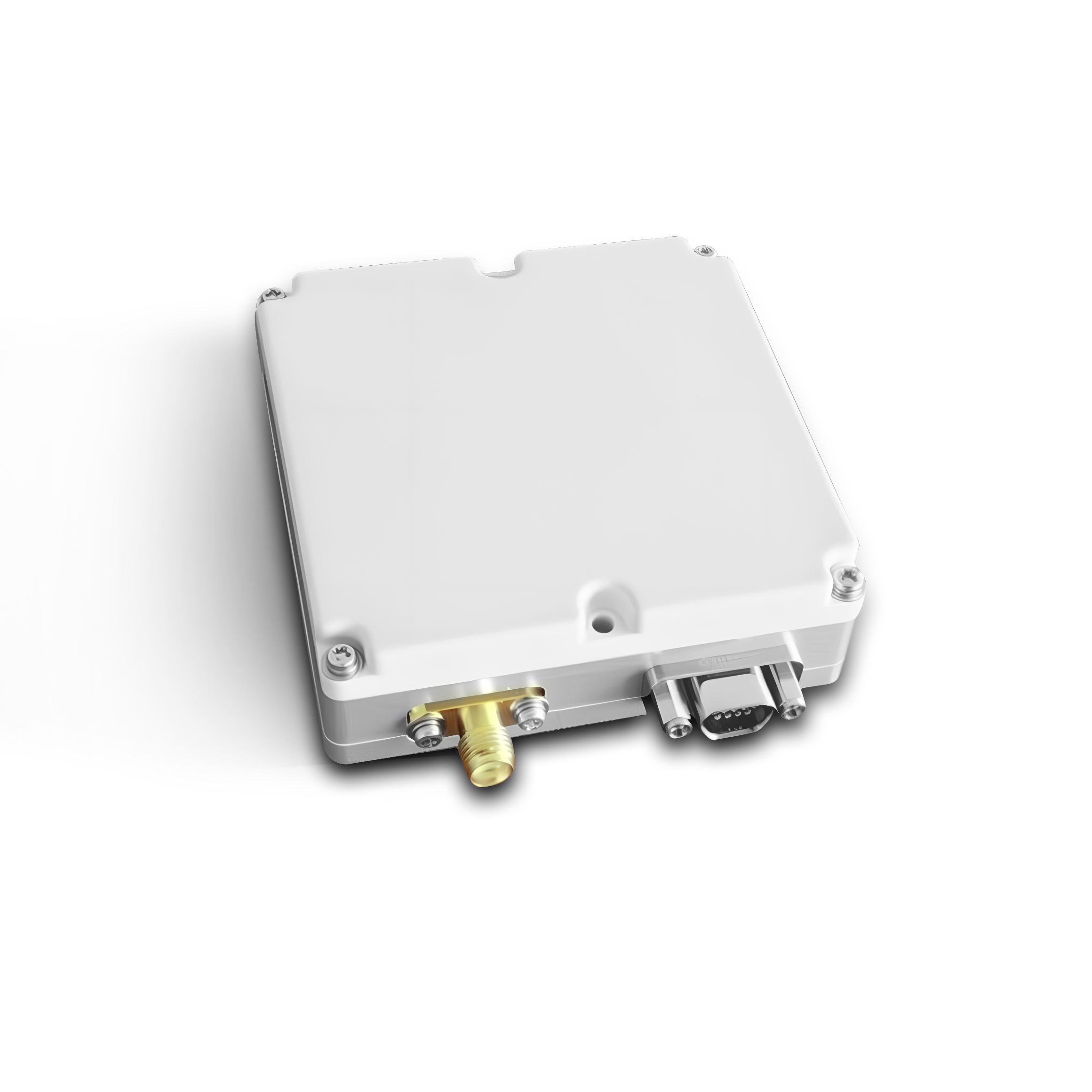
GPS-Prohibited Zone Integrated Navigation INS1700 With Anti-Interference

Technological Synergies & Future Development Trends

The synergy between aviation INS and marine robotics is evolving rapidly. Traditionally, high-accuracy FOG systems were bulky and power-hungry, limiting their use to large work-class ROVs. However, a major development trend is SWaP-C optimization (Size, Weight, Power, and Cost). Advanced MEMS technology, originally developed for tactical aerospace munitions and UAVs, is now achieving near-FOG performance. This miniaturization allows observation-class ROVs and micro-AUVs to carry robust navigational payloads, democratizing access to high-precision marine surveys.
Looking toward the future, the integration of Artificial Intelligence (AI) and Machine Learning (ML) into inertial navigation algorithms is set to revolutionize the industry. AI-driven Kalman filters can dynamically learn and model the specific hydrodynamic drag and vibration profiles of an ROV, compensating for sensor drift more effectively than traditional mathematical models. Furthermore, as the industry moves toward Swarm Robotics—where multiple AUVs survey an area simultaneously—aviation-derived INS will facilitate complex acoustic mesh networks. Each vehicle will share its inertial data, utilizing relative positioning to drastically reduce the error ellipse of the entire swarm, making massive-scale ocean mapping faster and more accurate than ever before.

Focus on R&D and OEM Design

Focus-on-R&D-and-OEM-design1Focus-on-R&D-and-OEM1

Proprietary Research & Production

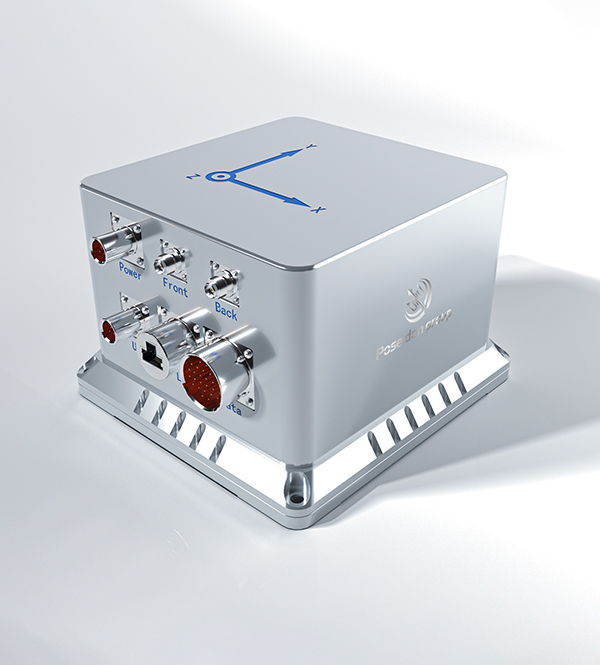
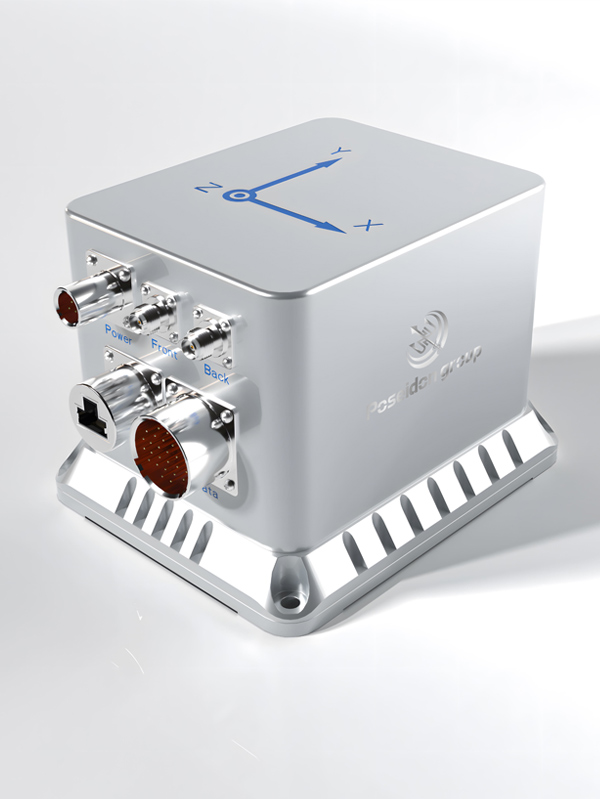
We specialize in the independent research, design, and production of fiber optic gyroscopes (FOG), inertial navigation systems (INS), attitude and control systems, autonomous driving systems, and intelligent control systems for unmanned equipment. By integrating industry-specific requirements, we have made significant technological advancements in digitalization, automation, and intelligence, securing multiple technical patents. With years of experience, we have evolved into a multi-industry intelligent solutions provider.
Expertise2Expertise1

Industry-Leading Expertise

Our core team comprises seasoned experts with extensive backgrounds in aerospace and inertial navigation. We have successfully tackled critical technological challenges in high-precision GNSS-free navigation, laser measurement, integrated navigation, multi-source data fusion, and precise positioning—areas that were once bottlenecks in the industry.

About the Company (5)About the Company (4)

Innovative and High-Performance Products

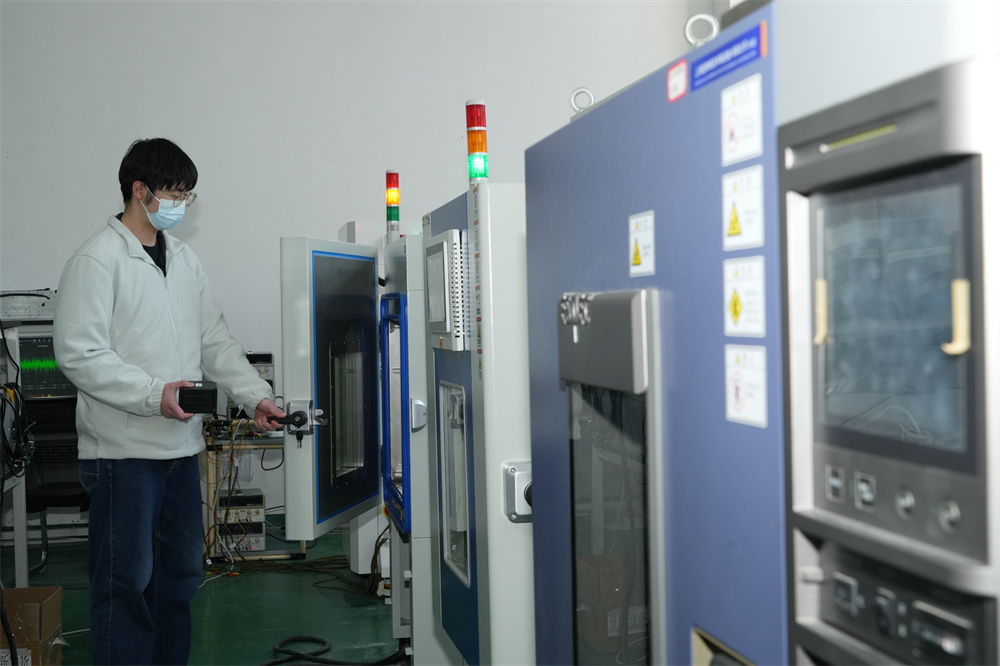
Our products are smaller in size, higher in accuracy, and more stable in performance, featuring long-term dynamic auto-calibration with zero-drift operation. They are widely adopted in scientific research, industrial control, intelligent unmanned systems, high-precision detection, and metrology. Having passed rigorous validation in aviation, aerospace, marine, mining, and railway applications, our solutions have been procured in bulk, filling key technological gaps.

Powerful1Focus-on-R&D-and-OEM-design1

Robust Production & Service Capabilities

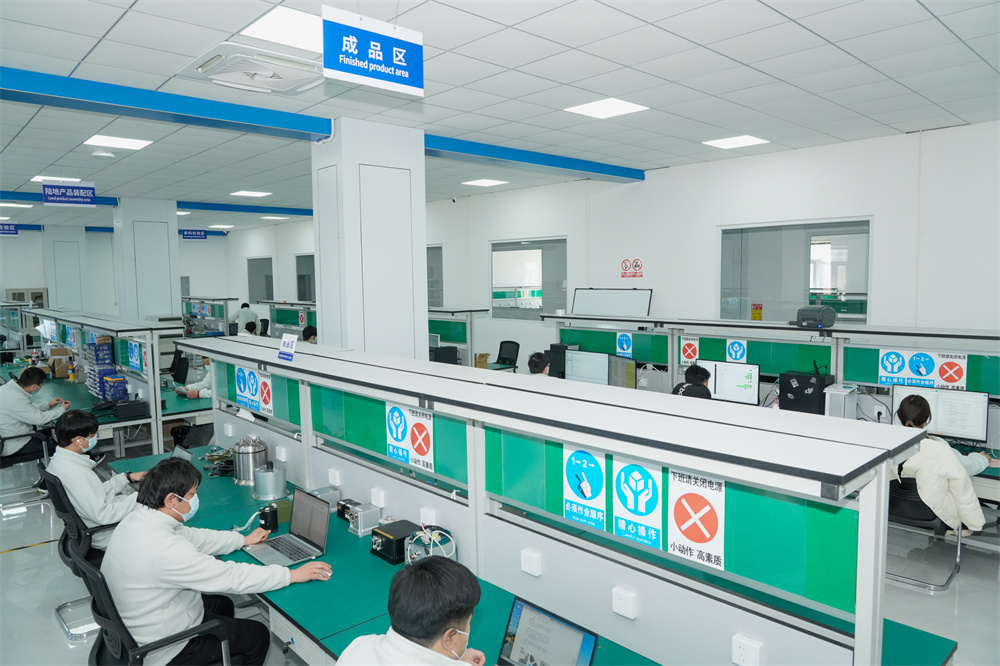
We operate over 6,000-square-meter manufacturing facility in mainland China, equipped with advanced R&D, production, and testing infrastructure, enabling large-scale production and timely delivery. Our network of subsidiaries, offices, and spare parts warehouses across China ensures prompt technical support and after-sales service.

Competitive Advantages

Compared to similar companies, we offer unique advantages in the global navigation market:

Mutual benefit

Mutual Benefit

Creating mutually beneficial, long-term relationships with clients and partners worldwide.

Honesty and responsibility

Honesty & Responsibility

Unwavering commitment to ethical business practices and product reliability.

Transparent pricing

Transparent Pricing

Providing clear, one-time offers with absolutely no hidden costs or surprise fees.

Operational support

Operational Support

24/7 service guarantee across all time zones with minimal technical response time.
Contact Us Today!